AI Mock Interviews: Practice Before the Real Interview
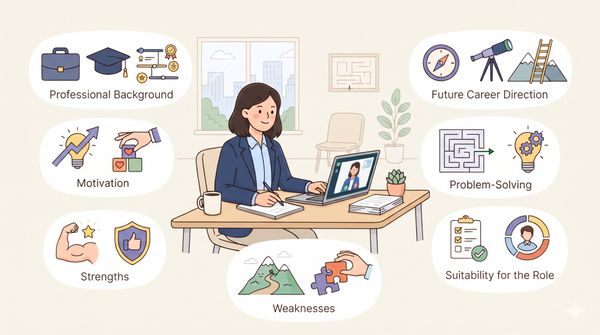
Preparing for a job interview involves more than reading common questions and thinking about what you might say. You also need to practice explaining your experience organizing your thoughts and responding to questions when you are under pressure.
This is where AI mock interviews can help. They allow you to simulate an interview practice answering questions and identify areas that need improvement before speaking with a recruiter.
Whether you are a fresher preparing for your job, an experienced professional looking for a new opportunity or someone changing careers practicing beforehand can make the interview process feel more manageable.
However simply completing an interview is not enough. The real value comes from understanding your mistakes improving your answers and practicing again.
In this guide you will learn how AI mock interviews work, their benefits and limitations and how to use them effectively to prepare for your job interview.
What Is an AI Mock Interview?
An AI mock interview is an interview experience in which an artificial intelligence system asks questions and helps you practice your responses. Depending on the tool it may also provide feedback on your answers, communication and areas for improvement.
Unlike preparation methods, where you read questions or practice with another person AI interview practice can give you a more interactive experience. You can answer questions receive follow up questions and review your performance without needing to coordinate with a friend or mentor.
For example if you are preparing for a marketing position an AI mock interview might ask you how you would improve a websites organic traffic measure a campaigns performance or respond to a sudden drop in conversions.
If you are preparing for a software engineering role the questions might focus on programming concepts, problem solving, system design or previous projects.
The questions should ideally match the role and experience level you are targeting.
AI mock interviews are particularly useful for candidates who want to practice but do not always have someone available to conduct an interview with them.
How Do AI Mock Interviews Work?
The exact process depends on the platform. Most AI mock interview tools follow a similar approach.
1. Choose Your Target Role and Interview Type
Start by identifying the position you are preparing for. Some tools let you select a job role, experience level, interview category or specific skills you want to practice.
For example a fresher applying for a data analyst position may want to focus on SQL, Excel, data interpretation and basic business questions. An experienced candidate applying for a role may need more practice with leadership decision making and conflict resolution.
You can also use the job description to identify the skills and responsibilities that're most relevant to the position.
The closely your practice reflects the actual role the more useful the experience is likely to be.
2. Answer Questions and Follow Ups
Once the interview begins the system presents questions for you to answer. Depending on the platform you may respond through text, voice or a combination of both.
Some tools also generate follow up questions based on your responses. This can help you practice explaining your reasoning of relying on prepared answers.
For example an interviewer might ask you to describe a project. After you explain your experience, a follow up question could ask what you would do differently or how you measured the outcome.
These follow ups encourage you to think beyond your answer and prepare for the natural flow of a real conversation.
3. Review Feedback and Identify Gaps
After the session some AI interview tools provide feedback on your responses. Depending on the features available this may include answer relevance, structure, clarity, missing details or areas where your explanation could be stronger.
Use this feedback to identify improvements rather than treating the result as a final judgment of your interview ability.
For example you might discover that your answer explains what happened but does not clearly describe your contribution. In another response you may have the technical knowledge but struggle to explain it in simple language.
These observations give you a starting point for your practice session.
Benefits of AI Interview Practice
AI interviews can make interview preparation more structured especially when you use them alongside research and independent study.
Practice Whenever You Need It
Finding someone to conduct an interview is not always easy. Friends may have schedules and mentors may not be available whenever you want to practice.
AI interview practice offers flexibility. You can fit a session into your schedule revisit questions and practice more frequently as your interview date approaches.
This is particularly useful for students balancing interviews with classes, professionals preparing after work and candidates applying for positions.
Prepare for Role Specific Questions
interview questions can help you get started but different jobs require different preparation.
A customer service candidate may need to practice handling complaints and explaining solutions. A product manager may need to discuss prioritization, product decisions and stakeholder management. A data analyst may need to demonstrate thinking and technical knowledge.
Role specific interview practice helps you focus on the skills and responsibilities that matter for your target position.
For results review the job description before starting a session and identify the topics you want to practice.
Improve the Structure of Your Answers
Candidates sometimes know the answer to a question but struggle to communicate it. They may include much background information skip important details or fail to explain the result of their actions.
Repeated practice can help you recognize these patterns.
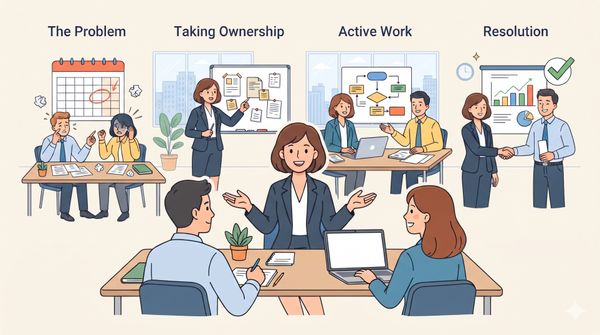
For questions for example you can use the STAR method to organize your response around the Situation, Task, Action and Result. For questions you can practice explaining your approach, the reasoning behind it and the tradeoffs involved.
The objective is not to make every answer sound identical. It is to make your responses easier to understand and more relevant to the question.
Build Confidence Through Repetition
Feeling nervous before an interview is common particularly when the opportunity is important to you.
Practicing in a setting gives you an opportunity to become more familiar with interview questions and the process of answering them aloud.
Over time you may become more comfortable organizing your thoughts explaining your experience and responding to questions.
Confidence does not come from answering every question. It comes from knowing that you have prepared, practiced and learned how to handle questions when you do not immediately know the answer.
Identify Areas That Need Preparation
A mock interview can reveal gaps that are difficult to notice when you prepare only by reading.
You may realize that you cannot explain a skill listed on your resume in detail that you need a stronger example of teamwork or that you struggle to answer questions about a particular technical concept.
Once you identify these gaps you can return to your notes revise the topics and practice again.
This makes interview preparation more targeted. Of repeating questions you already answer comfortably you can spend more time improving weaker areas.
How to Use AI Mock Interviews Effectively
The usefulness of AI interviews depends largely on how you approach them. Treat each session as part of a preparation process rather than something to complete just before the interview.
Start With the Job Description
Before beginning a session read the job description and identify the responsibilities, required skills and experience expectations.
Turn these requirements into a list of questions. If the role emphasizes communication prepare examples of explaining information or working with colleagues. If it requires expertise identify the concepts and practical problems you should review.
This helps you avoid spending all your time on questions that may not reflect the position.
Practice Answering Aloud
Reading an answer and explaining it aloud are two experiences.
When you speak you need to organize your thoughts in time. You may notice that your explanation is too long your example is incomplete or your main point is difficult to follow.
Try to answer without reading a script. If you need a seconds to organize your thoughts take them. Focus on giving a relevant response rather than speaking as quickly as possible.
If you are using a voice based interview tool check whether your answers are understandable and whether you communicate your point clearly.
Review Feedback of Chasing Scores
Some platforms provide numerical scores or performance summaries. These can help you track progress. A higher score should not be your only goal.
Read the feedback. Ask yourself what you can change in your next attempt.
Did you answer the question? Did you support your point with an example? Did you explain your contribution clearly? Were there details you left out?
Also use your judgment. AI feedback can be imperfect or miss context so verify information and consider whether each suggestion genuinely improves your response.
Repeat the Questions That Challenged You
After reviewing feedback choose two or three questions that were difficult and practice them again.
You do not need to repeat the interview every time. Concentrating on weaknesses can make your preparation more efficient.
For example if your behavioral answers lack results practice explaining what changed because of your actions. If you struggle with questions revisit the concepts before attempting the questions again.
You can also vary the wording of questions to make sure you understand the topic than memorizing one response.
Use a Suitable Practice Tool
Choose a tool based on what you need to improve. Some candidates need question practice while others want to work on communication, answer structure or interview confidence.
For example "AI mock interview practice" through Mocklingo can help candidates rehearse role interview questions and review feedback on their responses.
Here is the rewritten text:
No matter which tool you pick look at what features it really has how the feedback is given and if it works with the type of interview you are getting ready for.
Keep in mind that the tool is meant to help with your study. It can't take the place of knowing the job learning the skills or thinking about your own past work.
What AI Mock Interviews Can't Take the Place Of
AI mock interviews can be helpful. They have limits.
First they can't exactly act like talking to a person who is hiring. People who are hiring might respond in ways you don't expect ask about things you didn't think of or see how you work with others.
Second the feedback from AI might not always be right. An answer that sounds good might still have information or not be deep enough for the job. Always check facts. Make sure your answers show what you really know and have done.
Third doing the practice over and over can stop being useful if you just remember answers. Real interviews often have follow up questions so you need to know your examples and be able to talk about them
For these reasons use AI practice along with ways to get ready. Look at ideas learn about the company read the job posting and get advice from a friend, a co-worker or someone you look up to if you can.
How to Make Practice Help You for Interviews
You don't have to do mock interviews for a long time every day. A regular schedule with goals is better than doing a lot without thinking about it.
Start by picking a questions from the job posting. Do a mock interview and look at the feedback. Find the two things that need the work then spend time improving your knowledge or making your examples stronger.
In the time you practice work on those areas again and add a few new questions.
Before the interview make sure you can talk about your past work discuss the skills listed on your resume and give examples that show what you can do. Prepare a few questions to ask the interviewer too.
You can use this list:
- Look at the job posting and find the most important things they want.
- Practice questions that are technical about behavior or specific to the job as needed.
- Speak out loud without using a script.
- Look at the feedback. Fix answers that are weak or wrong.
- Do the questions again and keep track of how you improve.
- Learn about the company. Prepare questions to ask the person interviewing you.
The goal isn't to be perfect. It's to go into the interview knowing what you are good at what you have done and the parts you have worked on.
AI mock interviews are a way to practice answers look at questions that are right for the job and see what needs more work before a real interview.
The best help comes from using them and in a smart way. Pick questions that match the job practice explaining your answers loud look at the feedback carefully and do the parts you struggled with again.
At the time remember that doing well in interviews needs more than just AI practice. You still need to know the job get the skills and speak honestly about your past work.
Think of every interview, as a chance to learn something new. With focused study and regular practice you can go into your interview with better answers and more confidence.